Leadership & Ideology
- Home
- Leadership
Tribal Governance & Justice System
Before the expansion of British administration, Gond tribal regions functioned under well-structured indigenous systems of governance. Leadership was rooted in community trust, elder councils, and customary laws passed down through generations. Decisions were made collectively, ensuring fairness and maintaining social harmony within villages. These systems emphasized responsibility, respect for tradition, and protection of land and resources.
Justice within the tribal framework was restorative rather than punitive. Disputes were resolved through dialogue, mediation, and community consensus, aiming to restore balance rather than impose harsh punishment.
Before British intervention, Gond tribal society operated under a well-organized system of self-governance rooted in tradition, collective wisdom, and community responsibility. Village elders and respected leaders formed councils that guided decision-making, resolved disputes, and ensured social harmony. Authority was not imposed through force but earned through trust, experience, and moral character. Land and forest resources were managed collectively, reflecting a deep respect for nature and shared ownership. This indigenous governance model promoted unity, accountability, and cultural continuity, allowing tribal communities to function independently while preserving their ancestral customs and values.
The tribal justice system emphasized restoration rather than punishment. Conflicts were settled through dialogue, mediation, and consensus within the community, aiming to rebuild relationships and maintain balance. Social discipline was guided by customary laws and ethical principles passed down through generations. When British colonial policies disrupted these systems by introducing external laws and administrative controls, it weakened traditional authority structures. This interference created resentment among tribal populations, as it threatened not only political autonomy but also the moral and cultural foundations that had sustained Gond society for centuries.
Freedom Philosophy & Resistance Ideals
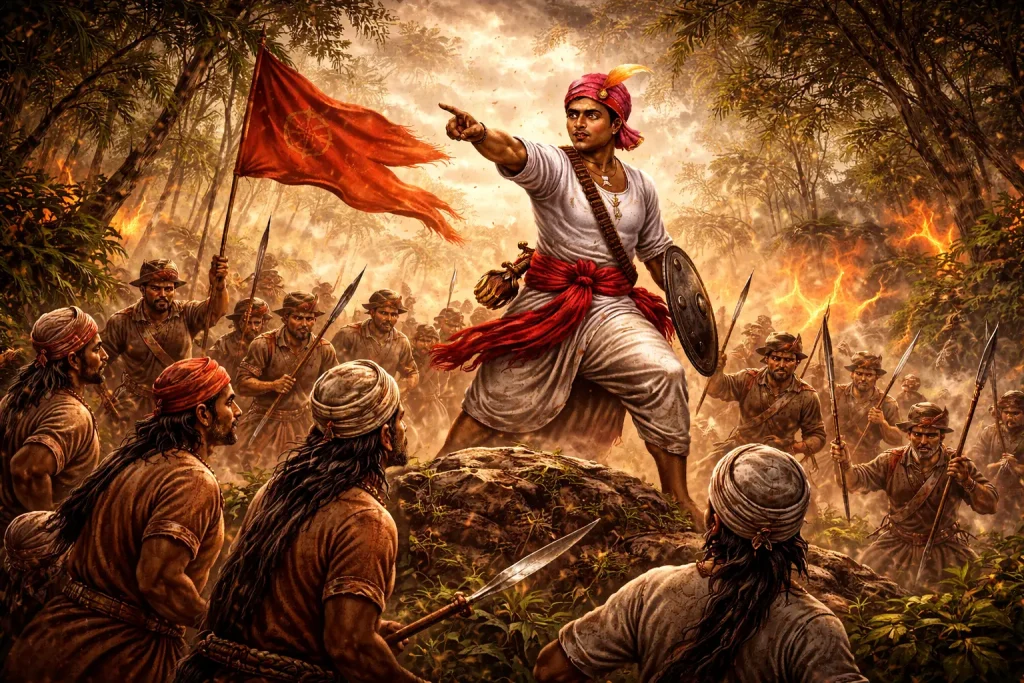
Baburao Shedmake’s resistance was not driven solely by conflict, but by a deep-rooted philosophy of freedom, dignity, and self-rule. For him, independence meant protecting ancestral land, preserving tribal identity, and safeguarding the right of communities to govern themselves according to their traditions. His ideals were shaped by Gond cultural values—unity, honor, and collective responsibility. He believed that true strength came from solidarity and moral conviction rather than fear. Through his actions, he demonstrated that resistance was not merely opposition to colonial power, but a courageous affirmation of indigenous rights, justice, and cultural survival.
Freedom as Self-Rule
Baburao believed that true freedom meant complete autonomy for tribal communities over their land, forests, and governance systems. He opposed British interference that disrupted ancestral traditions and economic independence. For him, resistance was a necessary step to reclaim self-determination and restore indigenous authority rooted in community trust, customary laws, and collective responsibility.
Unity and Moral Courage
He taught that resistance must be grounded in unity and ethical purpose rather than anger alone. By strengthening bonds among Gond villages, he fostered cooperation and shared commitment to a common cause. His leadership emphasized discipline, honor, and courage, ensuring that the struggle for freedom remained principled, organized, and deeply connected to cultural values.
Protection of Gond Customs & Identity
Baburao Shedmake understood that the struggle against British rule was not only political but deeply cultural. Colonial expansion threatened traditional Gond practices, land rights, spiritual beliefs, and systems of self-governance. He recognized that protecting identity was as important as resisting military control. Through leadership and mobilization, he defended sacred traditions, community structures, and indigenous pride. His efforts ensured that Gond customs remained alive even during turbulent times, reinforcing unity and cultural continuity among his people.
Relationship with Gond Community
Baburao Shedmake shared a deep and inseparable bond with the Gond community, rooted in shared heritage, mutual respect, and collective struggle. He was not a distant commander but a leader who lived among his people, understood their hardships, and stood beside them in times of crisis. His authority came from trust rather than title, and his strength was drawn from the unity of the community. He listened to elders, encouraged youth, and ensured that every action taken in resistance reflected the welfare of the people.
During the turbulent years of colonial oppression, Baburao became a symbol of hope for the Gond villages of Vidarbha. He protected their land, customs, and dignity, reinforcing a sense of pride and shared identity.