
Legacy & Historical Importance
- Home
- Legacy
Contribution to Tribal Freedom Movement
Baburao Shedmake played a vital role in shaping the tribal dimension of India’s early freedom struggle. At a time when colonial expansion disrupted forest rights and traditional governance, he transformed local unrest into organized resistance. By mobilizing Gond warriors and strengthening unity among villages, he ensured that tribal voices were not silent in the broader uprising of 1857. His actions demonstrated that the fight for independence extended beyond cities and royal courts into forest communities deeply committed to protecting their land and identity.
Through guerrilla tactics, strategic planning, and moral leadership, he challenged British authority in the Vidarbha region. His resistance inspired confidence among tribal populations, encouraging them to defend their autonomy and cultural heritage. Though his life ended in martyrdom, his contribution laid a strong foundation for continued tribal assertion in India’s freedom movement. Baburao Shedmake remains a symbol of indigenous courage, proving that tribal communities were powerful and determined participants in the struggle for independence.
Regional Memorials
Location: Vidarbha Region
Statues and memorial structures in parts of Maharashtra honor Baburao Shedmake’s sacrifice. These sites serve as reminders of his courage and stand as symbols of tribal pride and regional history.
Educational Inclusion
Recognition in Local Curriculum
His contribution to the 1857 uprising is acknowledged in regional history lessons and academic discussions, ensuring that younger generations learn about tribal participation in India’s freedom movement.
Commemorations
Annual Tribute Programs
Local communities organize remembrance events, cultural programs, and public gatherings to celebrate his legacy and highlight Gond heritage and resistance history.
Cultural Efforts
Tribal Heritage Awareness
Through folk songs, storytelling traditions, and regional narratives, Baburao’s bravery continues to live in collective memory, strengthening Gond identity and inspiring pride in indigenous history.
Influence on Gond & Tribal Resistance
Baburao Shedmake’s resistance had a lasting impact on the Gond community and surrounding tribal regions. His bold stand against British authority demonstrated that organized tribal opposition was possible, even against a powerful empire. By mobilizing villages and encouraging unity, he transformed scattered dissatisfaction into collective action. His leadership proved that indigenous communities were not passive observers but active defenders of their land, culture, and autonomy.
His influence extended beyond immediate battles. The spirit of courage and self-respect he instilled continued to inspire tribal resistance movements in central India. Future generations remembered his sacrifice as a call to preserve identity and assert rights against injustice. Through oral traditions and regional history, his legacy strengthened the confidence of tribal communities, reinforcing the belief that unity, moral conviction, and cultural pride are powerful foundations for resistance.
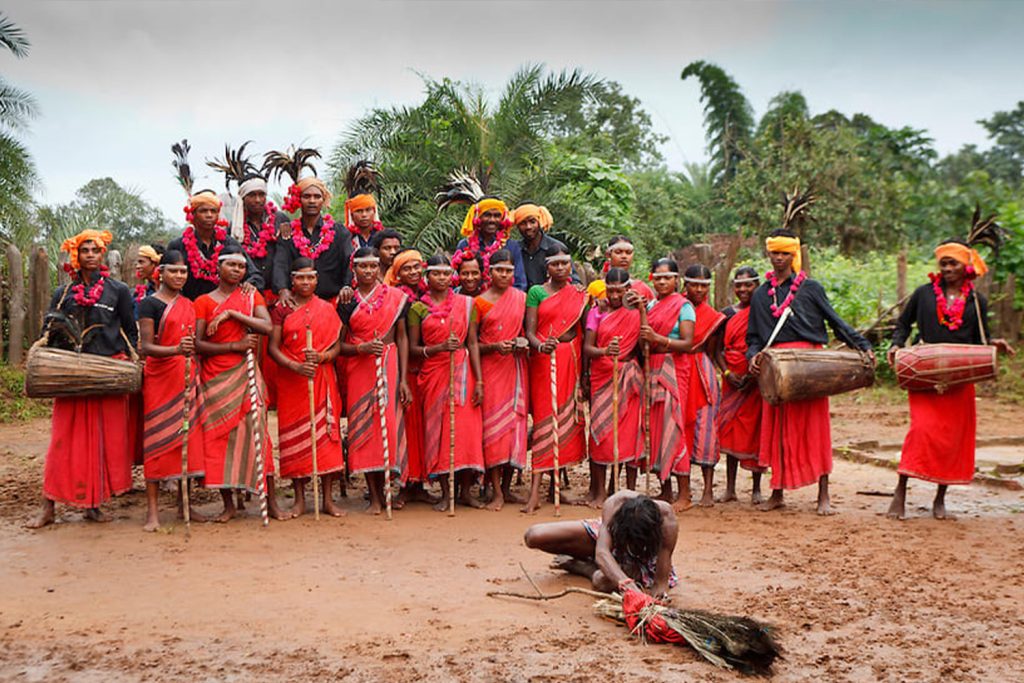
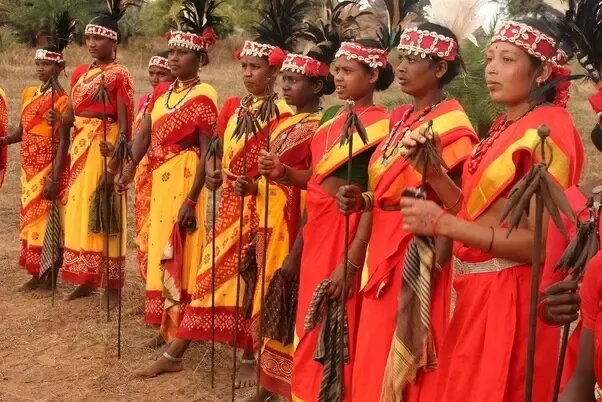
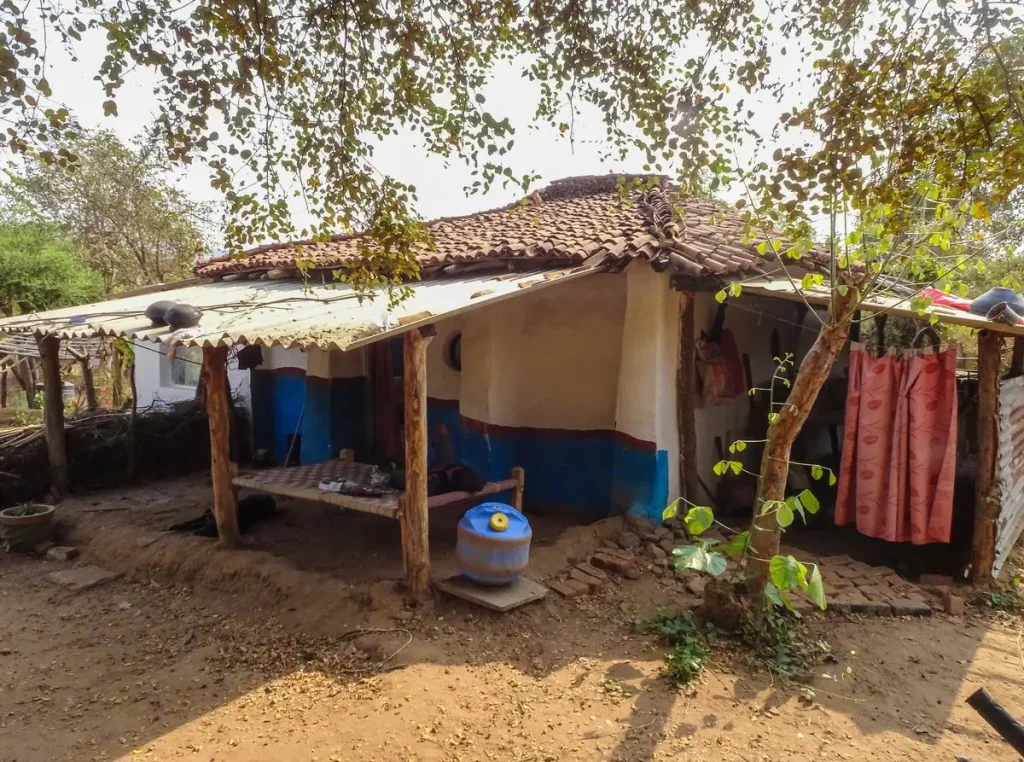
Symbol of Courage, Identity & Resistance
Baburao Shedmake stands as a powerful symbol of courage, cultural identity, and unwavering resistance in India’s tribal history. His fearless defiance against British colonial rule was not merely an act of rebellion, but a determined effort to protect ancestral land, dignity, and self-governance. He embodied the spirit of the Gond community—brave, united, and deeply rooted in tradition. Though his life was short, his sacrifice transformed him into a lasting emblem of indigenous pride. Today, he represents the strength of tribal heritage and the enduring fight for justice and autonomy.

Courage in Adversity
Baburao demonstrated exceptional bravery during a time of fear and uncertainty. Facing a powerful colonial regime, he chose resistance over submission, inspiring his people to stand firm despite overwhelming odds.

Guardian of Identity
He fought to preserve Gond customs, governance, and cultural traditions. His struggle was deeply connected to protecting tribal identity from external interference and cultural erosion.

Spirit of Resistance
His leadership turned local unrest into organized defiance. Even after his martyrdom, his story continued to fuel tribal assertion and strengthen the spirit of resistance across generations.